

Contents
An Introduction to Tokyo
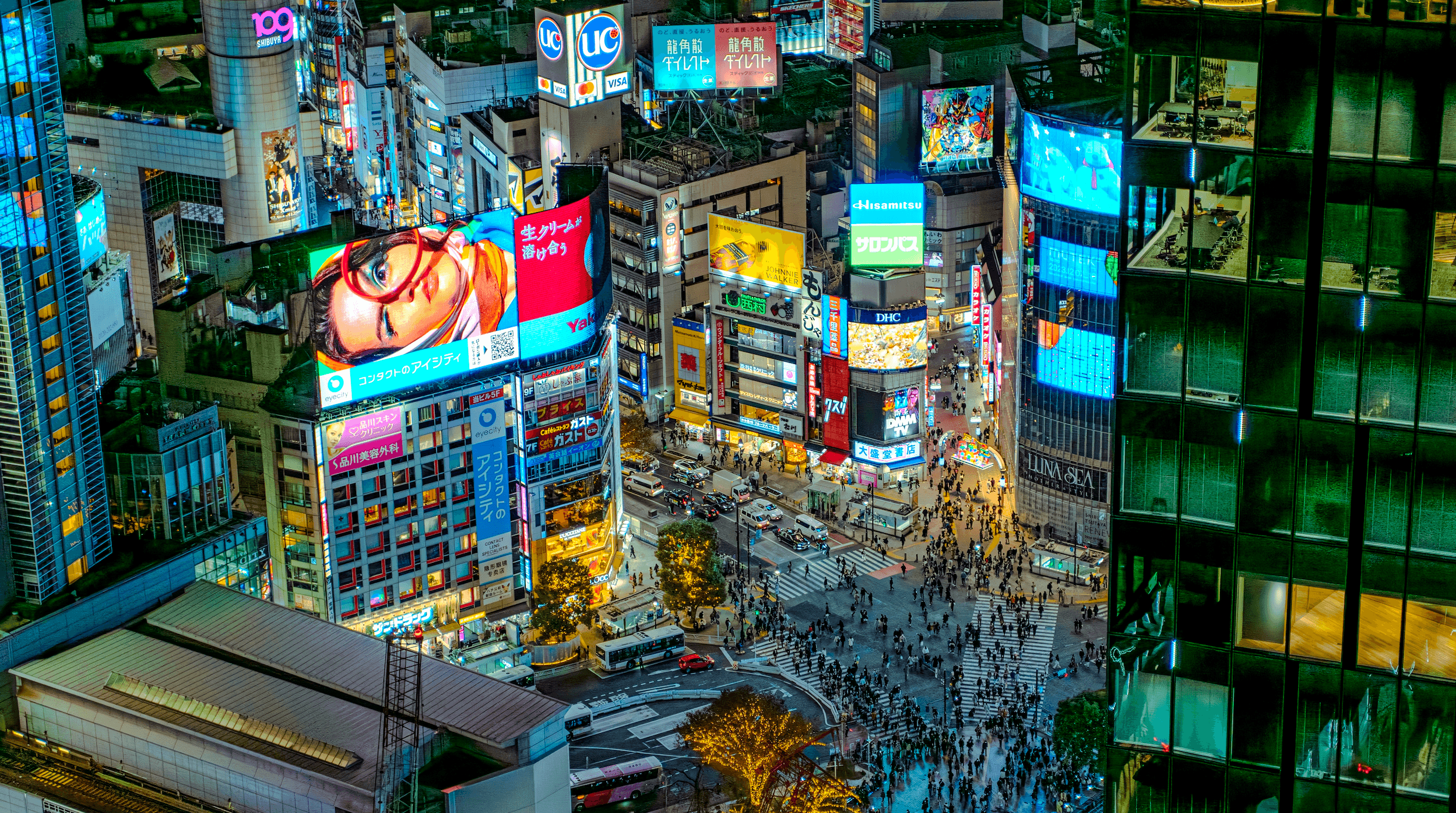
Tokyo offers one of the most unique urban experiences in the world. At first glance, it may appear overwhelming, fast-paced and intensely crowded. Over time, however, it becomes clear that this complexity is highly controlled. Tokyo is not chaotic; it is layered. Tradition and future, silence and technology, discipline and freedom coexist seamlessly. This balance is what makes Tokyo extraordinary.
Tokyo does not reveal itself instantly. It requires patience and attention. It is not a performance, but a system. Once you begin to understand that system, the city’s precision and depth become deeply compelling.
The Spirit and Daily Life of Tokyo
Tokyo’s spirit is built on discipline and respect. Despite its size and density, the city is remarkably quiet. People respect personal space and social order. This creates an unexpected sense of calm within one of the world’s largest metropolises. Public transport runs flawlessly, streets are clean and efficiency defines everyday life.
Daily routines follow a clear rhythm. Mornings begin early and move quickly. Lunch hours are structured and efficient. Evenings transform the city, bringing vibrant streets, illuminated districts and active social life. Yet Tokyo never loses control.
Tokyo by Neighborhood
Understanding Tokyo requires exploring its neighborhoods. Shibuya represents youth, energy and modern culture. Shinjuku reflects Tokyo’s layered identity, combining skyscrapers, business districts, nightlife and quiet backstreets. Ginza showcases the city’s refined and luxurious side, offering elegance and restraint. Asakusa reveals traditional Tokyo, where temples and historic streets remain part of daily life. Daikanyama and Meguro present a calmer, design-oriented and sophisticated Tokyo experience.
Where to Stay in Tokyo
Choosing where to stay in Tokyo determines how smoothly the city unfolds. Given its scale, access to transportation is essential. Luxury here is defined by efficiency, thoughtful design and service quality rather than size. Boutique hotels and well-planned city hotels provide the best balance.
Staying in central yet calm neighborhoods allows travelers to rest while remaining connected. In Tokyo, proximity to a metro station often matters more than the exact district.
Tokyo’s Gastronomy Culture
Tokyo is one of the world’s most powerful culinary capitals. Food here is about mastery, not spectacle. From street-level dining to Michelin-starred establishments, quality and precision are constant. Japanese cuisine emphasizes simplicity, balance and technique.
Meals are integrated into daily life. Lunch is efficient, dinner more ritualistic. Sushi, ramen, tempura and izakaya culture shape Tokyo’s social dining scene. Silence and respect enhance the experience.
Tokyo Throughout the Day
Mornings in Tokyo are orderly and efficient. Midday is energetic and productive. Afternoons are ideal for exploration and shopping. Evenings bring illuminated streets and vibrant districts. Late nights remain safe, calm and controlled. Tokyo operates continuously without slipping into disorder.
Best Time to Visit Tokyo
Tokyo can be visited year-round. Spring is celebrated for cherry blossoms and mild weather. Autumn offers balance and clarity. Summer is hot and humid, while winter is calm and crisp. Each season reveals a different dimension of the city.
How to Truly Experience Tokyo
To truly experience Tokyo, focus on observation. Pause in a quiet temple. Watch the rhythm of a busy intersection. Observe a chef at work. Tokyo does not announce itself. It rewards attention.
Who Tokyo Is For
Tokyo is ideal for travelers who appreciate structure, cultural depth and modern urban life. It may feel too controlled for those seeking chaos, and too intense for those seeking simplicity. But for those who value balance and precision, Tokyo is unmatched.