

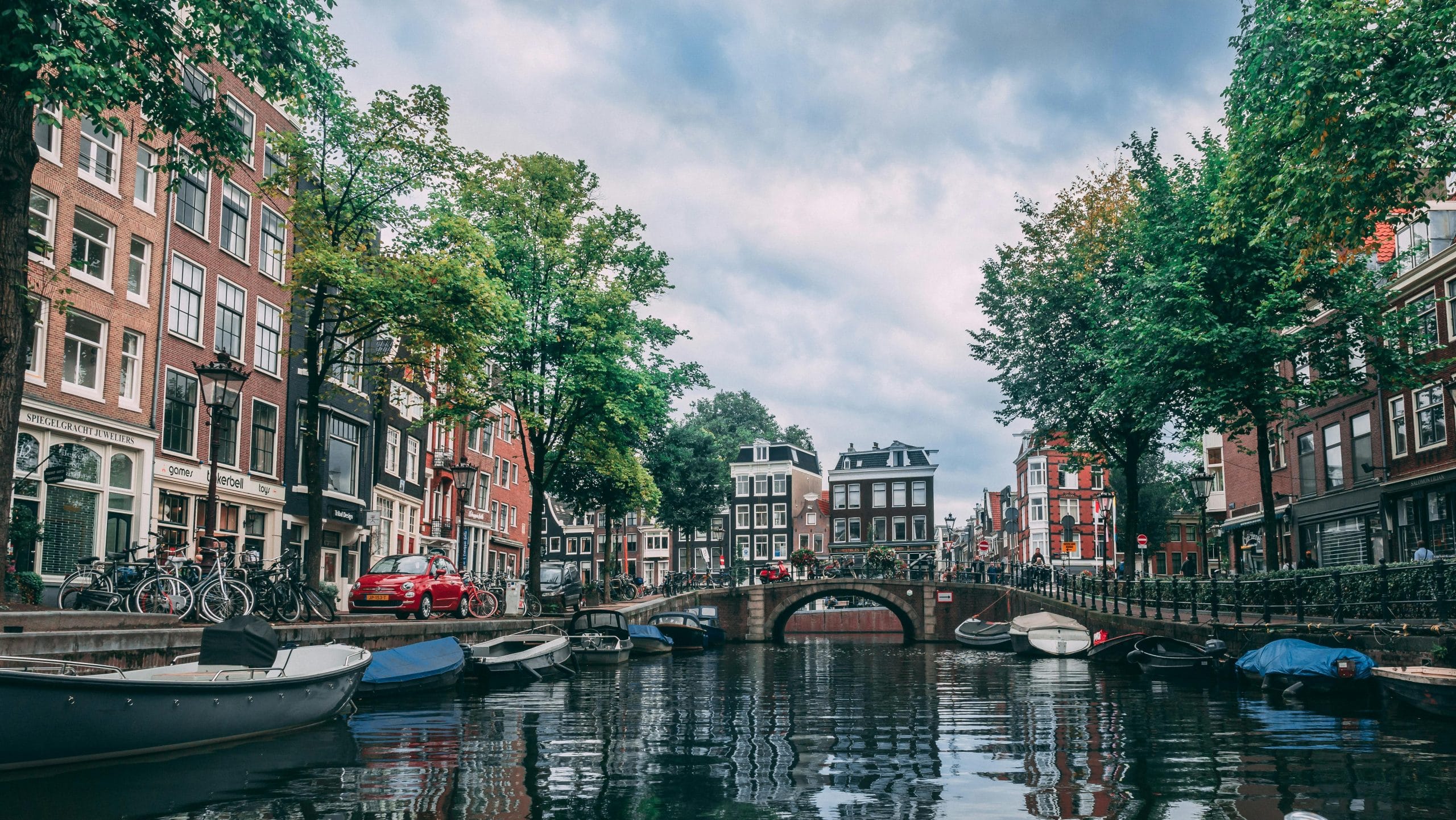
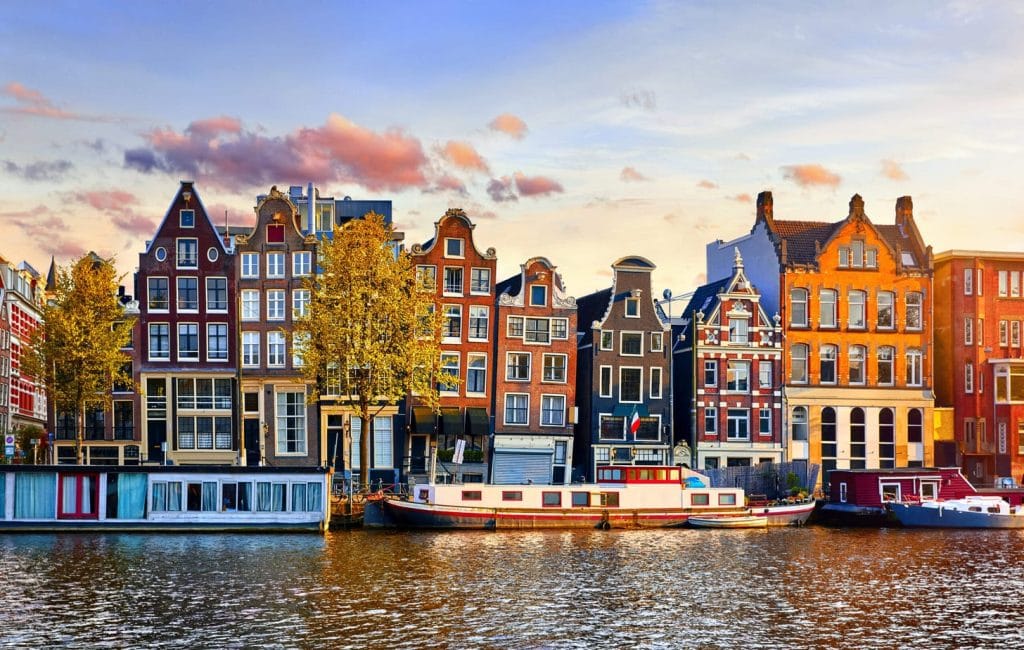
Amsterdam is one of those cities that looks effortlessly beautiful in every season. Canals lined with narrow houses, bicycles flowing through the streets, cafés that feel lived-in rather than staged — visually, Amsterdam rarely disappoints. Yet choosing the right time to visit changes the entire character of the experience. The same canal, the same street, even the same café can feel like a different place depending on the month.
There is no single “perfect” time to visit Amsterdam. What matters far more is understanding what kind of experience you are looking for. Energy or calm? Social life or introspection? Outdoor terraces or museum afternoons? Amsterdam adapts itself to the season — and rewards travelers who arrive with aligned expectations.
This guide breaks down Amsterdam’s rhythm month by month and season by season, helping you choose not just when to go, but why that timing suits you.
Contents
- 1 Spring (March – May): Amsterdam at its most balanced
- 2 Summer (June – August): Social, vibrant, and undeniably busy
- 3 Autumn (September – November): Quiet luxury and local rhythm
- 4 Winter (December – February): Minimal, calm, and character-driven
- 5 Crowds and pricing: how timing shapes value
- 6 Which season is right for you?
- 7 Final perspective: When should you experience Amsterdam?
Spring (March – May): Amsterdam at its most balanced
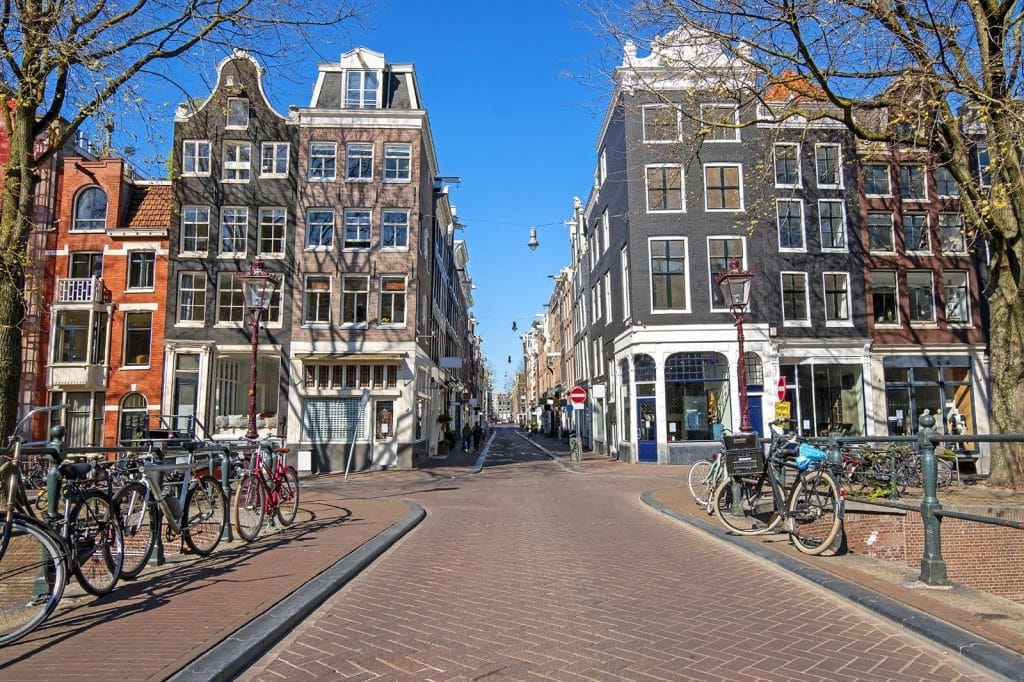
Spring is widely considered the most harmonious time to visit Amsterdam, and for good reason. As March arrives, the city slowly awakens from winter. Daylight increases, the air feels lighter, and the canals reflect a clearer, softer tone. By April and May, Amsterdam reaches a rare balance: pleasant temperatures, manageable crowds, and a city that feels alive without being overwhelming.
This is the season when Amsterdam is at its most walkable. Parks begin to fill, terraces reopen, and cycling traffic becomes part of the city’s soundtrack again. Museums are busy but not yet stressful, and long canal walks feel natural rather than forced.
Spring is especially ideal for first-time visitors. It offers the fullest version of Amsterdam without extremes — not too crowded, not too quiet, not too cold, not too hot. If you want to understand the city’s personality without friction, spring is a confident choice.
Summer (June – August): Social, vibrant, and undeniably busy
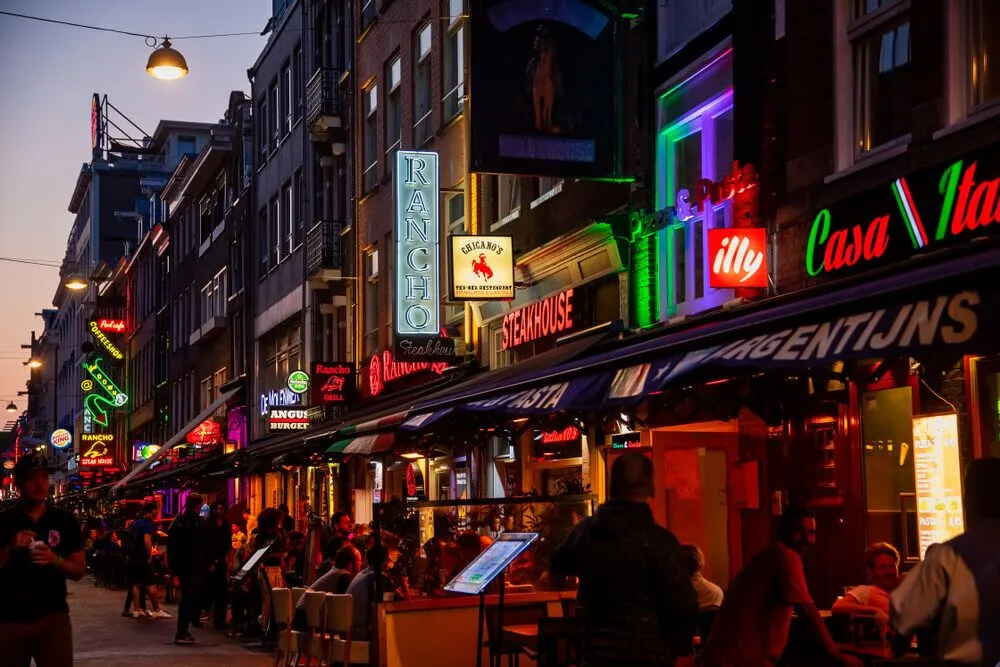
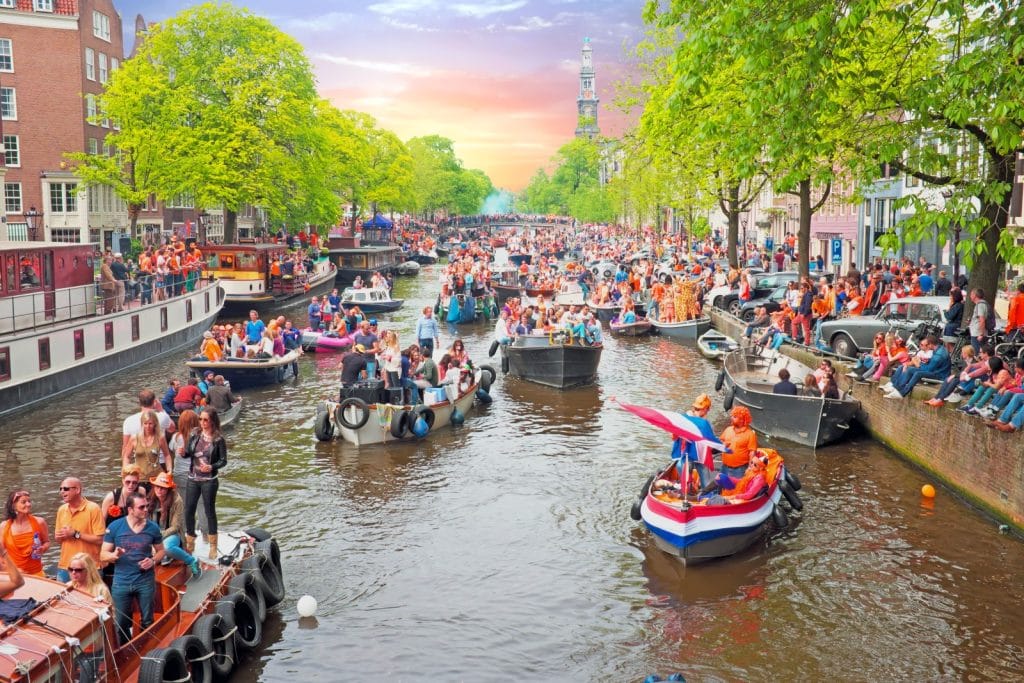
Summer transforms Amsterdam into a highly social city. Days are long, evenings stretch comfortably into night, and much of life moves outdoors. Canal boats multiply, terraces overflow, and the city feels extroverted and energetic. If you enjoy urban buzz and outdoor living, summer can be deeply enjoyable.
That said, summer also brings significant crowds. July and August, in particular, are peak tourism months. Popular areas can feel dense, museum lines grow longer, and accommodation prices rise noticeably. While the weather is generally mild compared to many European cities, the city’s popularity becomes very visible.
Summer suits travelers who:
- Have visited Amsterdam before
- Enjoy social atmospheres and outdoor culture
- Are comfortable navigating crowds
Autumn (September – November): Quiet luxury and local rhythm
Autumn is often the favorite season of travelers who truly understand Amsterdam. As summer fades, crowds thin out, the pace softens, and the city begins to feel more local. The light becomes warmer, canals take on deeper tones, and the overall mood turns introspective and refined.
September still offers comfortable walking weather, while October and November introduce a calmer, more inward rhythm. Cafés feel cozier, museums become easier to explore, and everyday life regains priority over tourism.
Autumn is ideal for travelers who value:
- Atmosphere over activity
- Calm over crowds
- Long walks, thoughtful moments, and unhurried days
Winter (December – February): Minimal, calm, and character-driven
Winter is Amsterdam’s most underestimated season. Yes, it is colder. Yes, days are shorter. But for travelers who appreciate mood and intimacy, winter reveals a more honest version of the city.
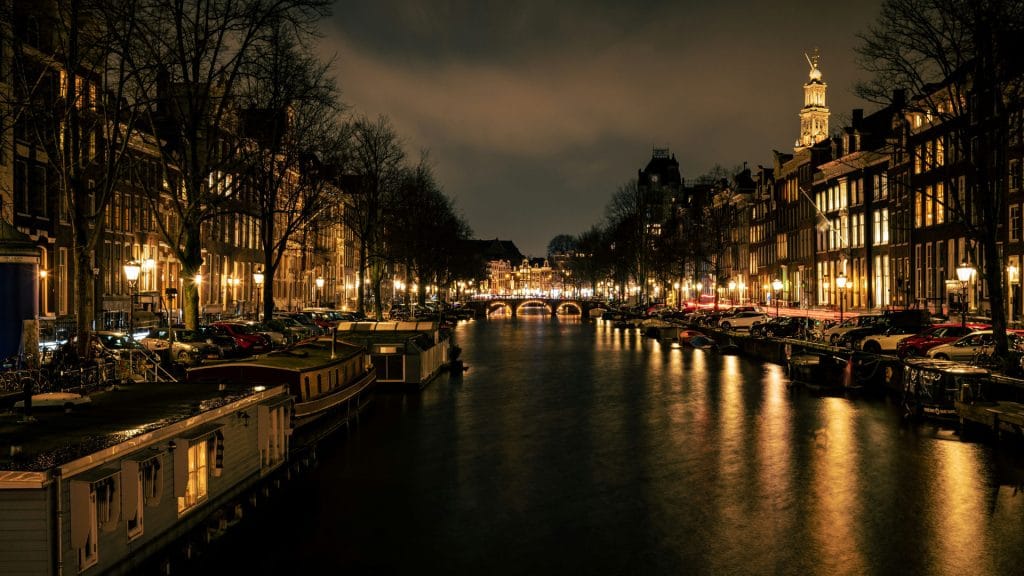
During winter months, Amsterdam slows down. Tourist numbers drop, and the city turns inward. Museums become the main anchors of daily life, traditional “brown cafés” take center stage, and evening canal walks feel calm rather than crowded. The city feels reflective — less about movement, more about presence.
December brings a short festive atmosphere, while January and February are the quietest months of the year. These months are especially appealing for travelers seeking:
- Minimalism
- Cultural depth
- A slower, more contemplative experience
Winter Amsterdam is not about spectacle. It’s about texture, warmth, and subtle moments.
Crowds and pricing: how timing shapes value
In Amsterdam, crowd levels and prices closely follow the seasons. Summer is the most expensive and busiest period. Spring and autumn offer the best balance between cost and experience, while winter is generally the most affordable time — provided you’re comfortable with colder weather.
Choosing the right season can dramatically improve not only your experience, but also the value you receive from accommodation and activities.
Which season is right for you?
- First-time visitors: April – May
- Photography & atmosphere lovers: Autumn
- Social, energetic travelers: Summer
- Minimalism & calm seekers: Winter
Amsterdam doesn’t change its beauty — it changes its tone. Matching that tone with your expectations is the key to a satisfying visit.
Final perspective: When should you experience Amsterdam?
Amsterdam is a city that adapts to time. It does not demand urgency, nor does it reward rushing. Visiting at the right moment turns the city from a destination into an experience. The canals, streets, and cafés remain the same — but the way they feel depends entirely on when you arrive.
For Beststays, Amsterdam is a city that offers something rare: a refined experience that changes quietly with the seasons. Arrive at the right time, and the city opens itself without effort.